
Birds are stunning, intelligent companions—but they’re also some of the most vulnerable pets when it comes to hiding illness. At Red Bluff Animal Hospital, we regularly see avian patients from Deer Park, TX who’ve been “acting normal” until suddenly… they’re not. The truth is, by the time you notice something wrong, your feathered friend could already be seriously sick.
That’s why bird veterinary exams—especially annual checkups—are a vital part of avian care. Whether you’re wondering about your avian vet checkup schedule, curious about bird wellness visits, or unsure when to get health screenings for parrots, we’re here to walk you through it all.
Why Birds Need Regular Vet Visits
Unlike dogs or cats, birds are prey animals by nature. That means they’re wired to hide pain or weakness—because in the wild, vulnerability could make them lunch.
By the time visible symptoms show up, the underlying condition may already be advanced. Annual exams allow your avian vet to catch issues early, while they’re still manageable.
Benefits of regular exams include:
- Monitoring weight changes and growth
- Catching infections before symptoms appear
- Identifying early signs of nutritional deficiencies
- Preventing overgrown beaks, nails, or feather damage
- Establishing a healthy baseline for comparison
Fun Fact: Even subtle weight changes of just a few grams can signal illness in birds. That’s why avian vets weigh birds at every visit!
Avian Vet Checkup Schedule: What to Know
Your bird’s age, species, and medical history affect how often she should be seen. In general:
- Juvenile birds: Visit shortly after bringing her home (within 1–2 weeks) for a full health screening.
- Healthy adults: Once per year for a wellness exam.
- Seniors (age varies by species): Every 6–12 months depending on condition.
- Birds with chronic conditions: More frequent monitoring, as recommended by your vet.
Birds like African greys, cockatiels, conures, and budgies all benefit from annual exams—even if they seem healthy.
What Happens During a Bird Wellness Visit
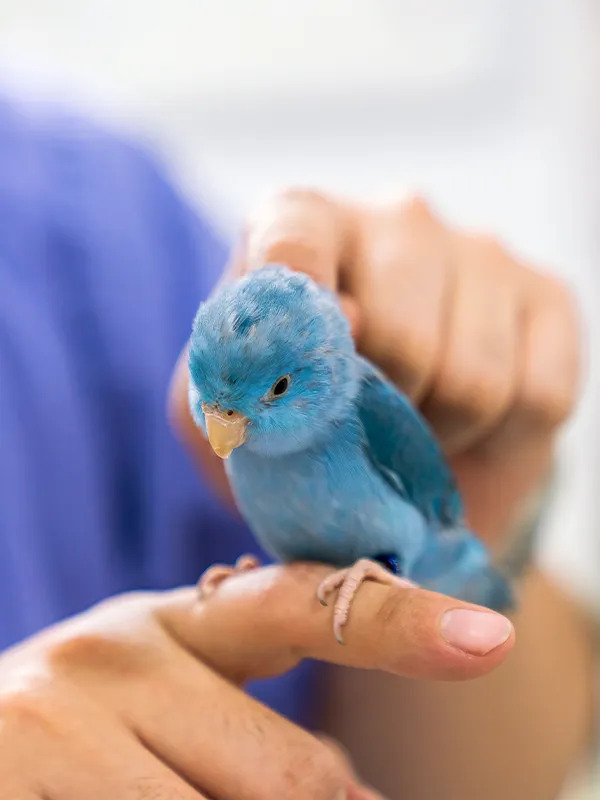
Birds are delicate, so exams are conducted with extra care. A wellness visit typically includes:
- Physical exam: Beak, eyes, feathers, vent, skin, feet, and overall condition
- Weight check: Every gram matters!
- Wing and nail trim (if needed): Keeps your bird safe and mobile
- Fecal analysis: Detects internal parasites or infections
- Bloodwork (optional): Recommended for birds over 5 or those with symptoms
- Nutritional consultation: Review of current diet, supplements, and feeding routines
Your vet may also ask about cage setup, lighting, humidity, and enrichment—because environment is critical to bird health.
Health Screenings for Parrots and Other Birds
Some species are prone to specific health concerns:
- Parrots (especially African greys): Prone to calcium deficiency, feather plucking, and obesity
- Cockatiels: Commonly develop respiratory infections and fatty liver disease
- Budgies: Can hide tumors and liver issues until very late stages
- Macaws and amazons: Need special dietary care to avoid vitamin A deficiency
Your vet may recommend screening for:
- Psittacosis (a zoonotic bacterial infection)
- Beak and feather disease virus (PBFD)
- Avian polyomavirus
- Nutrient blood panels
- Liver or kidney function (especially in older birds)
Tips for a Successful Vet Visit
- Get your bird used to her carrier before the appointment
- Bring her favorite treat to reduce stress afterward
- Transport early in the day, when vet clinics are calmer and birds are more active
- Cover the carrier with a light towel during travel to reduce overstimulation
And don’t forget to write down any behavior changes, appetite issues, or concerns to discuss with your vet.
Frequently Asked Questions
Do indoor birds really need to see a vet every year?
Yes! Even indoor birds can develop nutritional deficiencies, respiratory infections, or tumors. Annual exams are crucial for early detection.
What if my bird gets stressed easily?
Vets trained in avian care know how to minimize stress. Bringing your bird in a covered carrier and scheduling early in the day can help.
Can blood be drawn safely from birds?
Yes, by an experienced avian veterinarian. Birds have small veins, so samples are carefully taken and volume is strictly controlled.
Is it normal for my bird to lose a little weight?
Small fluctuations may be normal, but consistent or rapid weight loss is a red flag. Always weigh your bird weekly and keep records.
Preventive Avian Care You Can Trust in Deer Park, TX
Birds may be small, but their health needs are mighty. At Red Bluff Animal Hospital, we specialize in gentle, thorough care for our feathered patients across Deer Park, TX. From wellness visits to diagnostics, we’re here to catch issues early, guide your care routine, and help Polly live a long, vibrant life. Schedule your bird’s next exam today!
This blog is for informational purposes only and is not a substitute for veterinary care. If your bird is showing symptoms or you’re unsure about her health, please call your vet.