

We often hear about dogs with allergies, but did you know that kitties can be affected, too? Cats can also develop allergies, which typically lead to itching, skin irritation, hair loss, ear problems, and chronic discomfort. At Red Bluff Animal Hospital, we regularly help cat owners in La Porte, TX, identify allergy symptoms and develop treatment plans that help their feline companions feel more comfortable.
Many cats hide discomfort extremely well, which means allergy symptoms may go unnoticed for quite some time. Your feline pal may begin grooming more often, scratching behind the ears, or pulling out fur gradually before the issue becomes obvious. By the time owners notice bald spots, scabs, or skin irritation, the allergy problem may already be fairly advanced.
With the right care, most kitties can get back to their usual happy, purring selves. Fluffy’s treatment plan may include flea control, a healthy diet, and some vet-approved meds.
What Causes Allergies in Cats?
Allergies happen when your cat’s immune system gets a little too enthusiastic about certain substances, like pollen or certain foods. Instead of ignoring these things, your kitty’s body reacts with itching and irritation.
Cats can develop allergies to environmental triggers, fleas, foods, or substances. Some have reactions to multiple allergens at once. And while some kitties only experience symptoms during certain seasons, others struggle throughout the entire year. Some cats may also inherit a tendency toward allergies, which is why certain felines seem more sensitive to environmental changes than others.
Common allergens in cats include:
- Fleas
- Pollen
- Dust mites
- Mold
- Grass
- Certain foods
- Environmental allergens
Fun fact: while we humans might sneeze and sniffle, cats usually show allergies through their skin. So if Fluffy is overgrooming or scratching, allergies might be the culprit.
Common Signs of Allergies in Cats
Cats don’t always show allergies the same way dogs do. Instead of just scratching, your feline pal might get a little obsessed with grooming certain spots.
It’s easy to think all that extra grooming is just normal kitty diva stuff, but too much can lead to irritated skin, bald patches, and a not-so-happy kitty.
Common signs of allergies in cats include:
- Excessive grooming
- Hair loss
- Scratching
- Scabs or crusts
- Red skin
- Ear infections
- Skin infections
- Belly overgrooming
- Excessive licking
- Head shaking
Some cats develop tiny scabs around the neck, head, or back called miliary dermatitis. These small crusts are commonly associated with allergies, especially flea allergies.
Other kitties might pull out big clumps of fur because they’re so irritated. Sometimes, it just looks like extra shedding, but it can actually be a big sign something’s up.
Flea Allergies in Cats
Flea allergy dermatitis is one of the top allergy issues we see in cats. Believe it or not, just one flea bite can send a sensitive kitty into a full-on itch fest.
You might never spot a flea. Cats are expert groomers and often clean up the evidence before you even know there’s a problem.
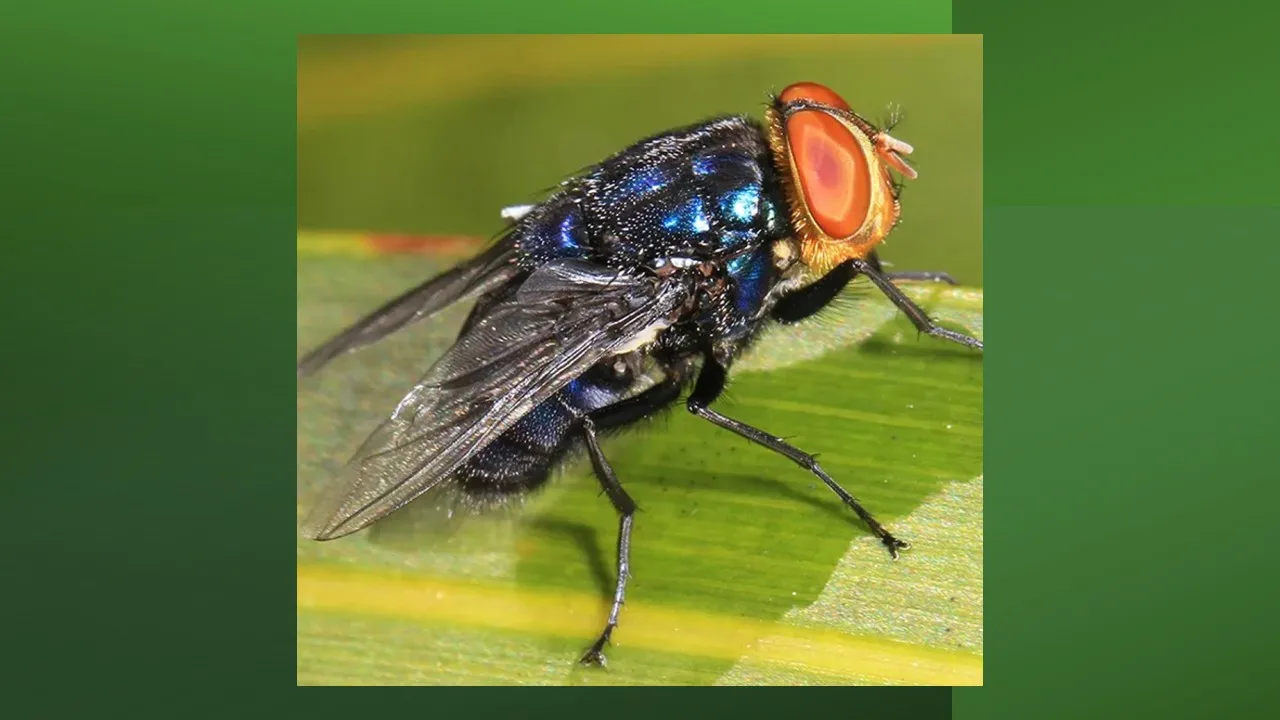
Even indoor cats aren’t safe from fleas. These little hitchhikers can sneak in on shoes, clothes, or even through tiny cracks around windows and doors.
Cats with flea allergies often develop symptoms around:
- The lower back
- The tail base
- The neck
- The thighs
- The belly
Consistent flea prevention is extremely important for cats with allergies. Missing prevention occasionally can allow fleas to return and trigger significant itching flare-ups.
Here’s a fun (or not-so-fun) fact: fleas can live indoors all year long, even in winter.
Food Allergies in Cats
Some cats are picky eaters. Fluffy may be turning her cute nose up at dinner for a reason, though. She might be allergic to certain ingredients, especially proteins.
Food allergies can show up as skin problems or tummy troubles. They can also cause:
- Itching
- Skin inflammation
- Ear problems
- Overgrooming
- Digestive upset
Unlike seasonal allergies, food allergy symptoms often persist year-round.
To determine whether food is the culprit, your vet may recommend a special elimination diet. This can help pinpoint what she is reacting to.
Environmental Allergies in Cats
Environmental allergies—also known as atopy—occur when cats react to substances such as pollen, grass, mold, or dust mites in their environment.
Some kitties get extra itchy in spring or fall when pollen is high, while others deal with symptoms all year if dust mites or indoor allergens are to blame.
Environmental allergies often cause excessive grooming around:
- The belly
- The legs
- The sides
- The paws
Indoor air quality may also influence allergy severity. Dust buildup, poor ventilation, and household irritants can worsen inflammation in sensitive cats.
Why Allergies Can Become Serious
Chronic allergies can significantly affect your furry bestie’s quality of life. When cats continue to scratch and groom excessively, the skin becomes damaged and inflamed. This may allow bacteria and yeast to overgrow more easily.
Untreated allergies can lead to:
- Bacterial infections
- Yeast infections
- Open sores
- Chronic inflammation
- Severe hair loss
- Behavioral stress
Some cats get so uncomfortable they stop playing, snuggling, or even napping in their favorite sunbeam.
Remember, cats are pros at hiding when they’re not feeling well. By the time you notice something’s wrong, the problem might already be pretty serious.
How Veterinarians Diagnose Allergies in Cats
There is no single test that diagnoses every type of allergy in cats. Veterinarians usually combine physical examinations, medical history, and diagnostic testing to identify possible causes.
Your veterinarian may recommend:
- Skin examination
- Flea evaluation
- Skin cytology
- Fungal testing
- Food trials
- Allergy testing
Several other medical conditions can look very similar to allergies, including:
- Ringworm
- Mites
- Hormonal disease
- Pain-related overgrooming
- Stress-related grooming
- Skin infections
This is one reason veterinary evaluation is so important. What appears to be “simple allergies” may actually involve another medical condition and may require very different treatment.
Treatment Options for Allergies in Cats
Treatment options are always case-by-case,and will depend on the cause of the allergy, the severity of symptoms, and your cat’s overall health.
Treatment options may include:
- Flea prevention
- Allergy medications
- Steroids
- Prescription diets
- Medicated wipes
- Antibiotics
- Antifungal medications
- Immune-modulating therapy
Some cats only require treatment during seasonal flare-ups, while others benefit from long-term management plans. Think of it as a long game. We want to keep your kitty’s skin healthy, prevent infections, and help her feel comfy and happy again.
The Importance of Flea Prevention
Even if your cat never sets paw outside, flea prevention is a must if they have allergies. Flea allergy dermatitis is super common and easy to miss.
Fleas are sneaky little critters. Just one flea can lay dozens of eggs in no time, so an infestation can sneak up on you before you know it. Regular flea prevention helps keep those itchy flare-ups at bay and makes life a lot more comfortable for sensitive kitties.
Why Taking Your Cat To The Vet Is Important
Not every itch is an allergy, and not every allergy med is safe for cats. Some meds that work for dogs can actually be dangerous for our feline pals. And what works for one kitty might not work for another. Sometimes we need to tweak the plan based on your cat’s lifestyle, the severity of their allergies, and how they respond to treatment.
Your vet can help figure out what’s really causing the problem and come up with the safest, most effective plan for your furry friend.
When to Schedule a Veterinary Appointment
Give us a call if your kitty starts showing any of these signs:
- Excessive grooming
- Hair loss
- Persistent scratching
- Scabs or crusts
- Ear irritation
- Skin redness
- Recurrent skin infections
Catching allergies early can help prevent bigger problems down the road and keep your kitty feeling their best.
Many owners are surprised by how dramatically their kitty’s behavior improves once itching and inflammation are controlled. Cats dealing with chronic discomfort often become more playful, affectionate, and relaxed after treatment begins.
Purdue College of Veterinary Medicine has some helpful information about pet allergies on its website. PetMD wrote about kitty allergies on their website.
FAQ
What are the most common allergies in cats?
The most common allergies in cats include flea allergies, food allergies, and environmental allergies such as pollen or dust mites. Flea allergy dermatitis is one of the most frequently diagnosed feline skin conditions.
Why is my cat grooming excessively?
Cats often groom excessively due to allergies, skin irritation, infections, stress, or pain. A veterinarian should evaluate your pet to determine the cause of excessive grooming.
Can indoor cats have flea allergies?
Yes, indoor cats can absolutely develop flea allergies. Fleas may enter homes on clothing, shoes, or other pets. Even one flea bite can trigger severe itching in sensitive cats.
How do veterinarians diagnose cat allergies?
Veterinarians diagnose allergies using physical examinations, skin evaluations, flea assessments, food trials, and additional diagnostic testing. Other medical conditions may also need to be ruled out.
Can allergies in cats be treated successfully?
Yes, many cats improve significantly with allergy treatment. Treatment may include flea prevention, prescription diets, medications, and long-term management strategies tailored to the individual cat.
Visit Our La Porte, TX Veterinary Clinic for Cat Allergy Care
Allergies in cats can become frustrating for both owners and pets, but many feline companions improve significantly with proper veterinary diagnosis and treatment. At Red Bluff Animal Hospital, our La Porte, TX veterinary clinic, we work closely with families to identify allergy triggers and create treatment plans tailored to each furry friend’s needs.
If your kitty is scratching constantly, overgrooming, losing hair, or developing recurrent skin problems, our veterinary team is here to help. Whether you are searching online for a trusted “vet near me” or looking for an experienced veterinary clinic for feline allergy care, contact Red Bluff Animal Hospital today to schedule an appointment for your feline pal.
This blog is intended for informational purposes only. Always consult your veterinarian for medical advice, diagnosis, and treatment recommendations for your pet, and carefully follow your veterinary team’s recommendations for ongoing care..
To learn more about Red Bluff Animal Hospital, stop by our Services page for an overview of the services we offer. We provide standard care, such as Wellness and Vaccinations, Allergies and Dermatology, as well as more specialized offerings, like Surgery and Diagnostics.