

Most wounds heal with time, proper care, and a little patience. However, recent concerns surrounding the New World screwworm have many pet owners paying closer attention to cuts, scrapes, surgical sites, and skin irritations. At Red Bluff Animal Hospital, your Deer Park, TX, veterinary clinic, questions about screwworm warning signs have become increasingly common as animal health officials continue monitoring new cases. While most pets will never experience a screwworm infestation, recognizing the signs of a potential problem can help you seek veterinary care promptly if concerns arise.
The recent focus on New World screwworm in pets has highlighted the importance of monitoring wounds and skin conditions. Learning to recognize screwworm symptoms in dogs and cats, understanding when infected pet wounds require professional attention, and knowing when veterinary care for screwworms may be necessary can help protect your furry friend. Awareness is one of the most valuable tools pet owners have when it comes to supporting their pet’s health.
Understanding the Current Concern About Screwworms
Before discussing specific warning signs, it helps to understand why veterinarians are paying attention to screwworms again.
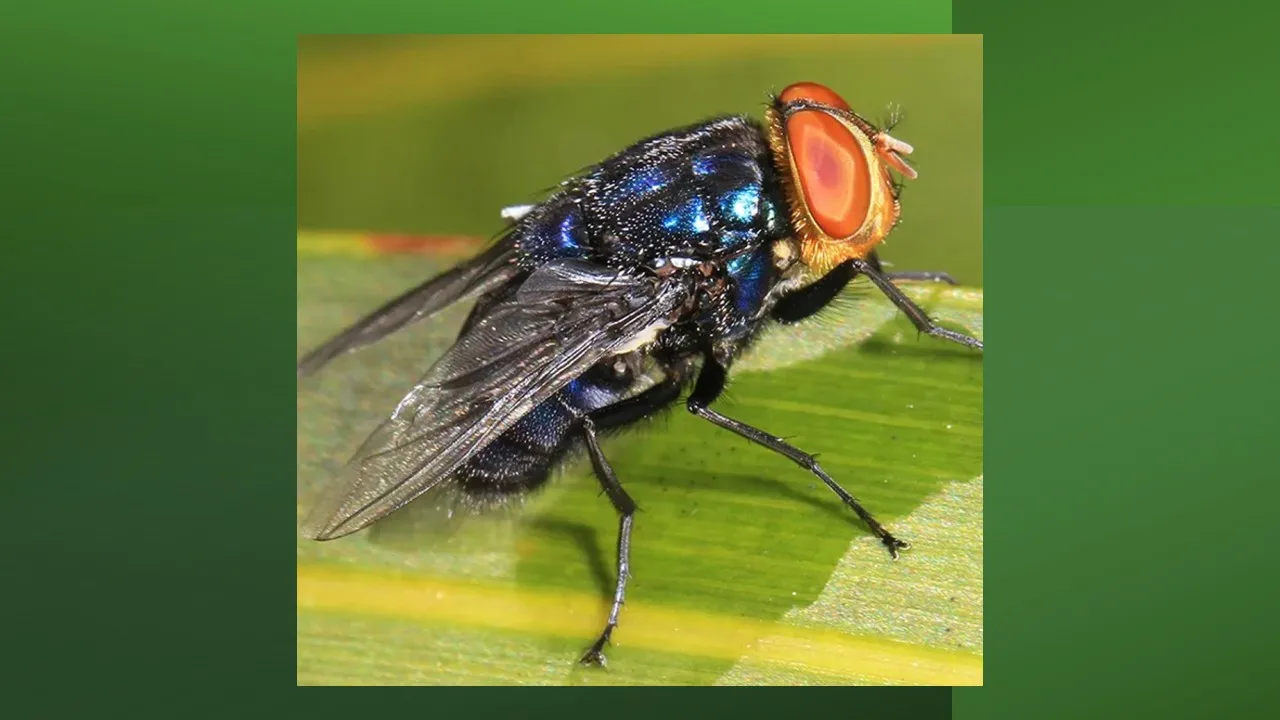
The New World screwworm is the larval stage of a fly called Cochliomyia hominivorax. Decades ago, this parasite caused significant problems throughout parts of North America before successful eradication programs dramatically reduced its presence in the United States.
Recent detections in Mexico and confirmed cases in Texas have renewed awareness among veterinarians, livestock producers, and public health officials.
The reason for concern is straightforward. The parasite develops in wounds and damaged tissue, making wound monitoring especially important during the current situation.
Fortunately, pet owners do not need to become experts on parasite biology. Understanding a handful of key warning signs can help you determine when veterinary evaluation may be appropriate.
Why Early Recognition Matters
Most wounds heal normally when they receive proper attention.
When a wound begins showing signs that something is not right, early intervention can help prevent complications and support healing.
The purpose of learning these screwworm warning signs is not to create anxiety.
Instead, the goal is to help you recognize when a wound deserves closer attention from a veterinarian.
Warning Sign #1: A Wound That Is Getting Worse Instead of Better
One of the clearest signs that a wound deserves veterinary evaluation is when it fails to follow a normal healing pattern.
What Normal Healing Looks Like
Most wounds gradually improve over time.
You should typically see:
- Reduced redness
- Less swelling
- Improved comfort
- Healthy tissue development
Healing tends to move in a positive direction.
What May Be Concerning
A wound may require professional evaluation if it becomes:
- Larger
- More inflamed
- More painful
- Increasingly irritated
When a wound appears worse several days later than it did initially, it is time to contact your veterinarian.
Among the various screwworm warning signs, delayed or worsening healing is one of the most important.
Warning Sign #2: Excessive Licking, Chewing, or Scratching
Dogs and cats often tell you something is wrong through their behavior.
Pets naturally focus attention on areas that are uncomfortable.
Watch for Repetitive Behaviors
Your furry friend may begin:
- Licking constantly
- Chewing at the skin
- Scratching excessively
- Rubbing against furniture
These behaviors may indicate irritation, pain, or inflammation.
While many conditions can cause these behaviors, persistent attention to a wound should never be ignored.
Why This Sign Matters
Some of the earliest screwworm symptoms in dogs and cats may be subtle.
Behavioral changes sometimes appear before obvious physical changes become noticeable.
Paying attention to these small clues can help you identify problems sooner.
Warning Sign #3: Swelling, Redness, or Increased Irritation
Inflammation is a normal part of healing.
However, excessive inflammation can signal a problem.
Signs That Deserve Attention
Look for:
- Expanding redness
- Significant swelling
- Warmth around the area
- Increased sensitivity
These changes may indicate infection, irritation, or another issue affecting the healing process.
Compare the Area Daily
A simple daily visual check can be surprisingly helpful.
Many pet owners notice gradual changes only when they compare the wound’s appearance from one day to the next.
Monitoring progress regularly allows you to identify concerning trends earlier.
Warning Sign #4: Unusual Drainage or Odor
Healthy wounds generally become cleaner and less inflamed as healing progresses.
Changes in drainage or odor may suggest that a wound needs professional evaluation.
Drainage Can Vary
Some drainage may occur during healing.
However, contact your veterinarian if you notice:
- Increasing drainage
- Thick discharge
- Persistent moisture
- Changes in color
Odor Is an Important Clue
An unpleasant smell coming from a wound is never something to ignore.
While odor does not automatically indicate a screwworm problem, it often signals that healing is not progressing normally.
Veterinary evaluation can help determine the cause.
Because infected pet wounds may develop rapidly, prompt attention is always a good idea when odor is present.
Warning Sign #5: Changes in Your Pet’s Behavior
Your pet’s overall behavior often provides valuable insight into how they are feeling.
Dogs and cats may respond to discomfort in different ways.
Common Behavioral Changes
Watch for:
- Reduced activity
- Less interest in play
- Hiding
- Increased irritability
- Changes in appetite
- Reluctance to be touched
These signs do not automatically point to a screwworm infection.
However, when behavioral changes occur alongside a wound or skin issue, veterinary evaluation becomes particularly important.
Trust Your Instincts
You know your pet better than anyone.
If something seems unusual, it is reasonable to seek professional advice.
Which Pets May Face Higher Risk?
Most pets are unlikely to experience a screwworm infestation.
However, some animals may have increased exposure opportunities.
Outdoor Dogs
Dogs that spend substantial time outdoors may experience more cuts, scrapes, and environmental injuries.
Examples include:
- Ranch dogs
- Hunting dogs
- Working dogs
- Highly active companions
Outdoor Cats
Outdoor cats frequently encounter vegetation, fences, wildlife, and other sources of minor injury.
Because cats often hide discomfort, routine inspections become especially valuable.
Pets Recovering From Surgery
Healing surgical sites require careful monitoring.
Following post-operative instructions and checking incision sites regularly helps support recovery.
Pets With Skin Conditions
Chronic allergies, hot spots, and skin infections can create areas of damaged skin that deserve attention.
Managing these conditions supports both comfort and overall health.
What Should You Do If You Notice These Signs?
Remain calm.
Most wounds do not become serious emergencies.
The best approach is careful observation combined with veterinary guidance.
Contact Your Veterinarian
Reach out if you notice:
- Worsening wounds
- Persistent irritation
- Unusual discharge
- Strong odor
- Significant behavioral changes
Your veterinarian can determine whether additional evaluation or treatment is needed.
Avoid Delaying Care
When it comes to wounds, earlier intervention is generally preferable to waiting.
A quick examination often provides peace of mind and allows treatment to begin promptly if necessary.
How Veterinarians Evaluate Potential Cases
When concerns arise, veterinarians perform a thorough examination.
This evaluation may include:
- Assessing wound appearance
- Evaluating tissue health
- Reviewing medical history
- Discussing recent changes
- Determining appropriate treatment
The goal is to identify the cause of the problem and develop a plan that supports healing.
Practical Ways to Reduce Risk
Although the current situation has increased awareness, many preventive measures are already part of good pet care.
Perform Routine Skin Checks
Take a few moments each week to examine your pet.
Focus on:
- Ears
- Belly
- Paws
- Skin folds
- Tail area
- Areas beneath thick fur
These quick checks often reveal problems before they become significant.
Address Skin Problems Promptly
Itching, redness, and irritation should not be ignored.
Healthy skin serves as an important protective barrier.
Keep Up With Veterinary Visits
Routine wellness care remains one of the best ways to identify concerns early and discuss emerging health issues.
The CDC is a reliable source of information about the screwworm outbreak. WKVU is also monitoring the screwworm infestation.
FAQ
What are the most common screwworm warning signs?
Common screwworm warning signs include wounds that worsen instead of heal, excessive licking or chewing, increased swelling, unusual discharge, foul odor, and changes in behavior.
What are early screwworm symptoms in dogs and cats?
Early symptoms may include persistent irritation around a wound, increased grooming, delayed healing, swelling, and discomfort.
Are infected pet wounds always caused by screwworms?
No. Many conditions can cause infected pet wounds. However, any wound that appears unusual or fails to heal normally should be evaluated by a veterinarian.
Which pets face the greatest risk?
Outdoor pets, hunting dogs, ranch dogs, outdoor cats, pets recovering from surgery, and animals with chronic skin conditions may face increased risk factors.
When should I seek veterinary care for screwworms?
Seek veterinary care promptly whenever a wound worsens, develops unusual drainage or odor, or causes noticeable discomfort or behavioral changes.
Schedule an Appointment at Our Deer Park, TX, Veterinary Clinic
Recognizing screwworm warning signs can help you identify potential concerns early and seek care when needed. At Red Bluff Animal Hospital, your Deer Park, TX, animal hospital, veterinary teams can evaluate wounds, discuss New World screwworm in pets, assess infected pet wounds, and provide guidance regarding veterinary care for screwworms and other wound-related concerns. If you’ve been searching for a vet near me and have questions about a wound that is not healing properly, schedule an appointment today.
This blog is intended for informational purposes only. Always consult your veterinarian for the appropriate medical advice, diagnosis, and treatment plan for your pet. Follow your veterinarian’s recommendations regarding wound care, parasite prevention, and overall health management.
For more information about our Deer Park, Texas, pet clinic, stop by our Services page. From routine wellness visits and vaccinations to surgery and critical care, you’ll find comprehensive support for your furry family members.