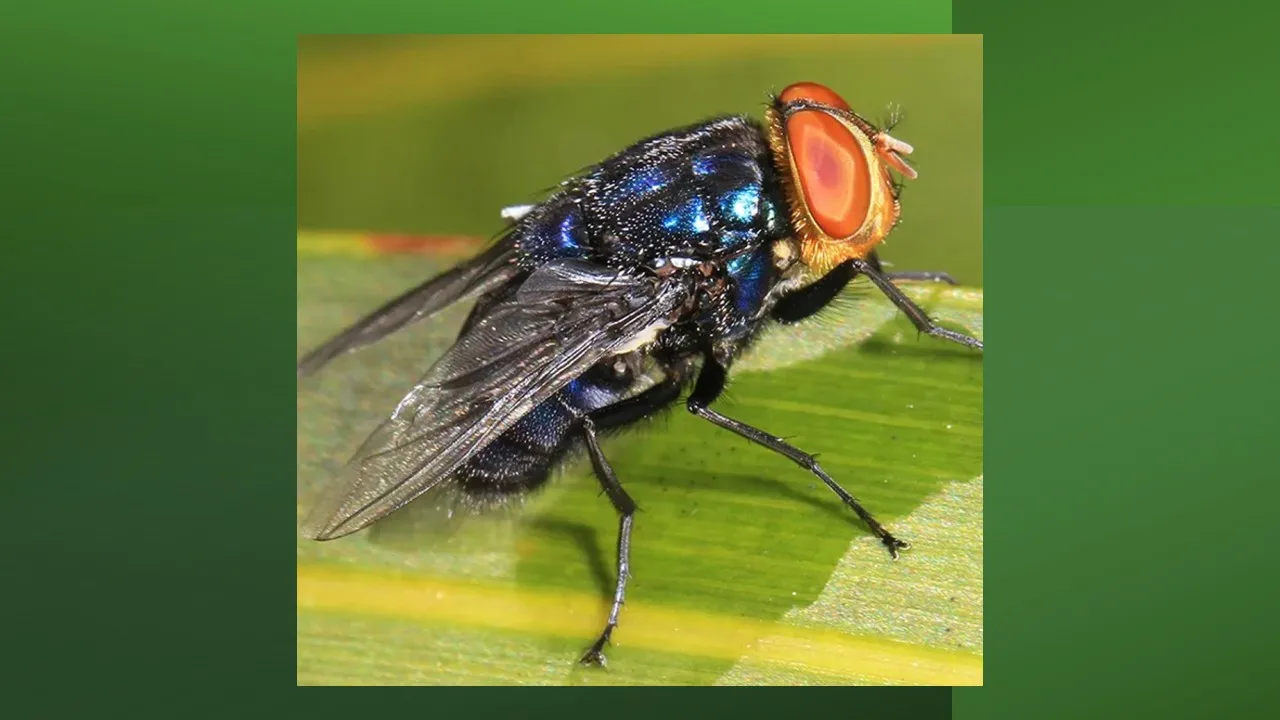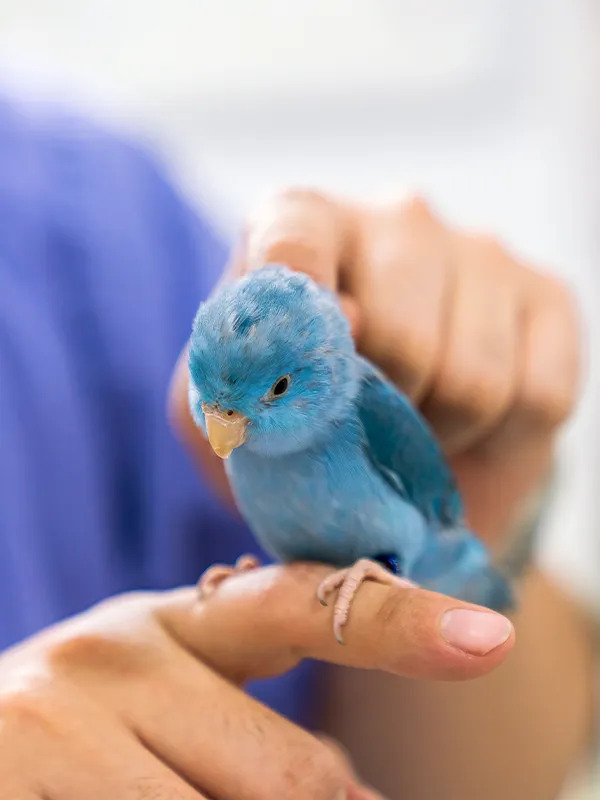
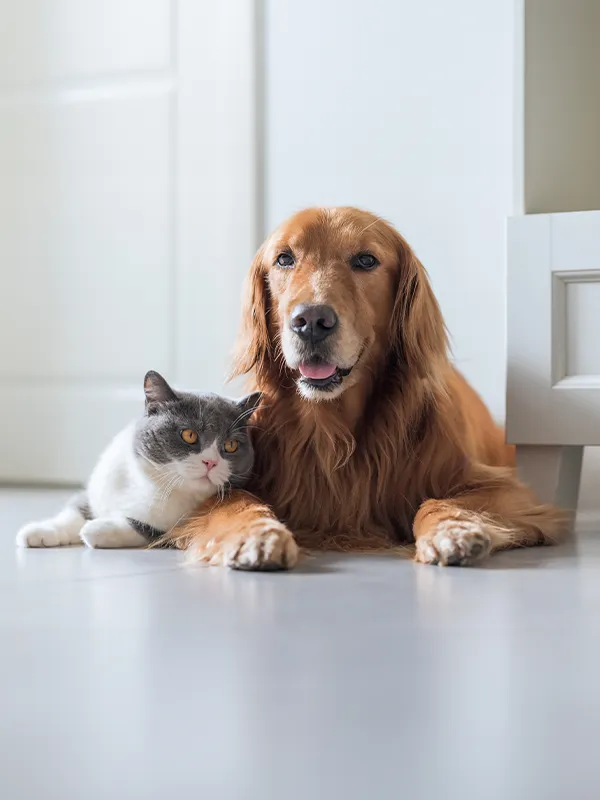


At Red Bluff Animal Hospital in Deer Park, TX, exotic pet care is one of our specialties. From caring for small exotic mammals to understanding the nutritional needs of exotic pets and recognizing common health issues in exotic pets, we ensure your unique furry friend enjoys a healthy, vibrant life.
Why Exotic Pet Care is Important
Exotic pets like rabbits, guinea pigs, ferrets, and birds require specialized care distinct from traditional pets like dogs and cats. Understanding their unique health, diet, and habitat needs is essential for maintaining their health and longevity.
Fun Fact: Exotic pets often have unique dietary and habitat requirements that, if unmet, can significantly impact their health and happiness.
Caring for Small Exotic Mammals
Proper care for small exotic mammals includes attention to diet, habitat, and socialization needs. For example:
- Rabbits need high-fiber diets, regular exercise, and safe spaces to avoid stress.
- Guinea pigs require ample vitamin C and comfortable, clean enclosures.
- Ferrets benefit from a high-protein diet and regular social interaction.
Providing these essentials helps your furry pal thrive.
Common Health Issues in Exotic Pets
Understanding potential health concerns helps exotic pet owners stay vigilant. Common health issues include:
- Dental problems in rabbits and guinea pigs due to improper diets
- Respiratory infections in small mammals and birds due to poor air quality
- Gastrointestinal issues from inappropriate feeding
Regular veterinary check-ups are critical for early detection and treatment.
Nutritional Needs of Exotic Pets
Proper nutrition is vital for exotic pets. Unlike traditional pets, exotic pets often have highly specific dietary needs, including:
- Fresh hay and greens for rabbits and guinea pigs
- High-quality pellets specifically formulated for ferrets
- Varied diets rich in fruits, vegetables, and seeds for birds
Consult your veterinarian to ensure your pet’s diet meets all necessary nutritional requirements.
Habitat Essentials for Exotic Pets
Providing the right habitat is key to your exotic pet’s well-being. Essential habitat considerations include:
- Appropriate enclosure size and materials
- Proper bedding, ventilation, and temperature control
- Safe enrichment activities and accessories
Creating an ideal habitat significantly enhances your exotic pet’s quality of life. Talk to your vet for specific advice, as different reptiles have very different needs.
Fun Fact: Many exotic pets thrive with regular environmental enrichment, reducing stress and improving overall health.
Expert Exotic Pet Care at Red Bluff Animal Hospital in Deer Park, TX
Are you searching for a reliable veterinary clinic near me? At Red Bluff Animal Hospital, our experienced vets provide comprehensive exotic pet care, tailored specifically to your unique companion’s needs. Trust our animal hospital to deliver exceptional veterinary care for your beloved exotic pet.
Visit Red Bluff Animal Hospital and let our skilled team support your exotic pet’s health and happiness.
FAQs About Exotic Pet Care
How often should my exotic pet visit the veterinarian?
Routine check-ups every six months are ideal for early detection of health issues, but specific frequency may vary depending on your pet’s species and health.
Can exotic pets live comfortably with other pets?
Compatibility varies widely between species. Always consult your veterinarian about safely introducing exotic pets to your household.
What are signs my exotic pet is unwell?
Changes in appetite, unusual behavior, lethargy, and respiratory difficulties are common indicators of health issues. Other red flags include skin discoloration, anorexia, discharge, and incomplete sheds. Prompt veterinary evaluation is recommended.
Visit Red Bluff Animal Hospital in Deer Park, TX, for Trusted Exotic Pet Care
Exotic pet care is essential for ensuring the health and happiness of your unique furry friend. At Red Bluff Animal Hospital in Deer Park, TX, our veterinary team provides specialized, compassionate care designed specifically for your exotic companion. Schedule your exotic pet’s wellness exam today and ensure their health for years to come.
This blog is intended for informational purposes only. Always consult your veterinarian for appropriate medical advice, diagnosis, and treatment specific to your pet.