
Give your feathered friend the best life with this guide to bird health, feeding tips, and preventive care.
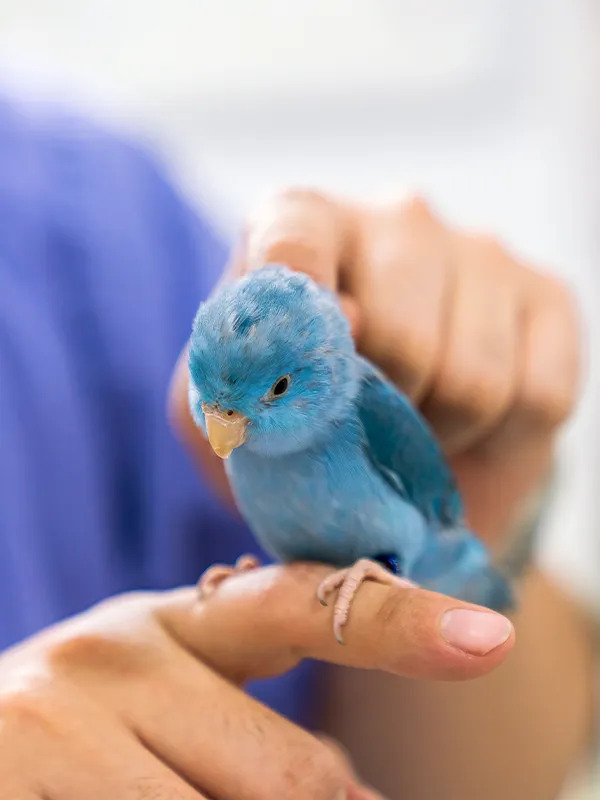
Birds might be small, but they come with big personalities—and important care needs. At Red Bluff Animal Hospital in Deer Park, TX, we treat parrots, cockatiels, finches, and more. Many bird health problems we see come down to diet or environment, but the good news is those are totally manageable with the right care and info.
In this blog from a Deer Park, TX vet, we’ll dive into how to feed your bird properly. We also offer advice on how to spot early health warning signs, and give tips on creating an environment that keeps your feathered companion singing with joy.
Why Diet Is So Important for Pet Birds
Birds have complex nutritional needs. A seed-only diet just won’t cut it. Many popular pet bird species originate from tropical or subtropical regions where they forage widely. Therefore, many birds thrive on a varied, nutrient-dense diet. Feeding Polly well from the start not only boosts her physical health but also reduces the risk of behavioral issues.
Here’s why nutrition is the cornerstone of avian wellness:
- Seed-Only Diets Lack Nutrients: High in fat, low in vitamins and minerals.
- Poor Diet = Poor Health: Can lead to obesity, liver disease, feather plucking, and more.
- Balanced Nutrition Promotes Longevity: Birds can live decades with proper care!
Fun Fact: Some parrots can live 50 years or even longer with good care.
Building a Balanced Diet for Pet Birds
Feeding a healthy bird diet means variety, balance, and species-specific choices. While parrots need different diets than finches, the principle stays the same—go beyond the seed mix. Preventing obesity in cage birds is important, so pay close attention.
What to Feed:
- Pelleted Food: Nutritionally balanced and species-specific.
- Fresh Produce: Certain types of fruits and veggies are safe for Polly. Just be sure to research things before handing them over.
- Occasional Seeds or Nuts: Treats only! High in fat.
What to Avoid:
- Avocado, Chocolate, Alcohol, and Caffeine: All toxic to birds.
- Human Junk Food: Too much salt, fat, and sugar.
Tip: Introduce new foods slowly and consistently. Never give your feathered pal anything without consulting your Deer Park, TX vet first.
Enrichment & Environment Matter, Too
Birds are highly intelligent creatures. They need more than a clean cage: they also require stimulation and entertainment. A boring or understimulating environment can lead to health and behavioral problems.
Here are some ways to create a stimulating and bird-safe habitat:
- Cage Size & Layout: Bigger is better. Include perches, swings, and other fun features.
- Social Interaction: Talk, sing, or even train Polly. Birds need mental stimulation.
- Clean Living: Clean cages weekly and remove food waste daily so mold and bacteria do not form.
- Lighting & Sleep: Birds need 10–12 hours of sleep in a dark, quiet place.
Common Bird Health Concerns
Our feathered friends’ health can be delicate. Many common issues are preventable with good husbandry and nutrition. Knowing what to watch for makes all the difference.
Obesity
Overfeeding, seed-only diets, and lack of exercise all contribute.
Feather Plucking
Often a sign of boredom, poor diet, or stress.
Respiratory Illnesses
Drafts, poor air quality, and infections can all lead to sneezing or wheezing.
Vitamin Deficiencies
Lack of vitamin A, calcium, or D3 can cause serious issues—diet is key!
Polly can suffer from a variety of other issues as well, including egg binding, leg and foot problems, and other trouble. Keep a close eye on her!
Vet Visits for Birds
Because birds mask illness, a healthy-looking bird might still need medical attention. Prevention is always better than a last-minute emergency visit.
Here’s why regular vet care matters:
- Annual Exams: Keep your vet clinic in the loop on Polly’s health.
- Weight Checks: Birds can lose weight rapidly—routine checks matter.
- Beak, Nail & Wing Care: Vets can trim as needed without injury.
At Red Bluff Animal Hospital, our veterinarians are trained in avian care and know what signs to watch for in your unique feathered friend.
Frequently Asked Questions
Can my bird eat seeds?
Yes, but only as a treat—not the main meal. Pellets and fresh veggies are best.
How do I know if my bird is sick?
Watch for changes in droppings, energy, or appetite. Fluffed-up feathers or sitting at the cage bottom are big red flags. Other warning signs include lack of appetite, lethargy, and strange behavior or vocalization.
Does my bird need a vet if it looks healthy?
Yes! Birds mask illness well. Annual exams also help reveal hidden or developing problems, so they can be addressed early on.
Visit Our Deer Park, TX Animal Hospital
Are you looking for a great vet near? Contact us, your Deer Park, TX pet hospital, anytime!
Disclaimer: This blog is meant to be informational only. Always consult with your veterinarian for the right medical advice, diagnosis, or treatment plan for your pet and follow their advice.